You’re taking hair vitamins. Your friend is taking hair vitamins. Instagram influencers swear by them. Yet—your strands still snap, thin, and refuse to grow past your shoulders. Why? Because most “what vitamins for hair” advice online recycles the same outdated, one-size-fits-all list—ignoring bioavailability, individual deficiencies, and synergistic nutrient gaps. Here’s what actually moves the needle.
Why Most Hair Vitamin Routines Fail
Slathering on biotin like it’s holy water won’t fix what’s broken beneath the surface. And popping a multivitamin labeled “for hair, skin, and nails” is often just marketing theater. The harsh truth? Hair growth hinges on a precise biochemical cascade—not a single supplement hero. If your body lacks zinc or absorbs iron poorly, no amount of biotin will trigger regrowth.
Worse, many over-the-counter formulas skimp on active doses to cut costs—then load up on fillers like magnesium stearate that your gut barely recognizes. You’re paying for packaging, not performance.
What Vitamins for Hair: A Precision Protocol
Forget guessing. Build a regimen based on science, not social proof. Start with these non-negotiables—but only if your diet or bloodwork confirms a shortfall:
Biotin (Vitamin B7): Overrated Unless Deficient
Yes, biotin supports keratin infrastructure. But deficiency is rare outside pregnancy, alcoholism, or genetic disorders. Mega-dosing (10,000 mcg+) can skew lab tests and cause acne. Stick to 500–1,000 mcg only if you’ve ruled out other culprits.
Vitamin D3 + K2: The Silent Growth Switch
Low D3 correlates strongly with telogen effluvium—excessive shedding. But without K2, D3 calcium goes rogue, potentially calcifying soft tissue instead of nourishing follicles. Take them together: 2,000–5,000 IU D3 + 100–200 mcg K2 daily if serum levels are below 30 ng/mL.
Ferritin (Stored Iron): The Hidden Bottleneck
Women especially crash here. Ferritin under 50 ng/mL stalls hair cycles—even if hemoglobin looks “normal.” Oral iron alone often fails due to poor absorption. Pair with vitamin C (not calcium!) and consider liposomal or heme-iron forms if constipation strikes.
Zinc + Copper Balance: Don’t Tilt the Scale
Zinc drives cell replication in follicles. But supplementing zinc long-term without copper invites neurological issues and paradoxically worsens hair loss. Ideal ratio: 15 mg zinc to 1–2 mg copper.
| Nutrient | Effective Dose Range | Best Absorbed With | Red Flags |
|---|---|---|---|
| Biotin (B7) | 500–1,000 mcg | Other B-complex vitamins | Acne, skewed thyroid tests at >5,000 mcg |
| Vitamin D3 + K2 | D3: 2,000–5,000 IU K2: 100–200 mcg |
With fatty meal | Hypercalcemia risk without K2 |
| Ferritin Support | As directed by bloodwork | Vitamin C, empty stomach | Constipation, nausea with sulfate forms |
| Zinc + Copper | Zn: 15 mg Cu: 1–2 mg |
Away from calcium/iron | Copper deficiency if zinc used solo |
The Industry Secret No Brand Wants You to Know
Here’s the reality: **most hair loss isn’t solved by vitamins alone—it’s fueled by chronic low-grade inflammation**. And guess what amplifies it? Seed oils (soybean, canola, sunflower) hiding in processed foods and even “healthy” supplements. These omega-6-heavy fats spike inflammatory cytokines like TNF-alpha, which directly miniaturize follicles. The math is simple: no matter how perfect your vitamin stack, if your diet runs on industrial seed oils, you’re pouring gasoline on a fire. Swap to olive oil, avocado oil, and fatty fish. Watch shedding slow within 8 weeks—before any supplement kicks in.
FAQ
Can I get what vitamins for hair from food alone?
Yes—if you eat liver (vitamin A, iron), oysters (zinc), eggs (biotin, D), and salmon (omega-3s, D). But modern diets lack variety; targeted supplementation fills precise gaps confirmed by testing.
How long until hair vitamins show results?
Minimum 3–4 months. Hair cycles slowly. Don’t quit at 6 weeks—most people do, then blame the formula.
Are gummy hair vitamins effective?
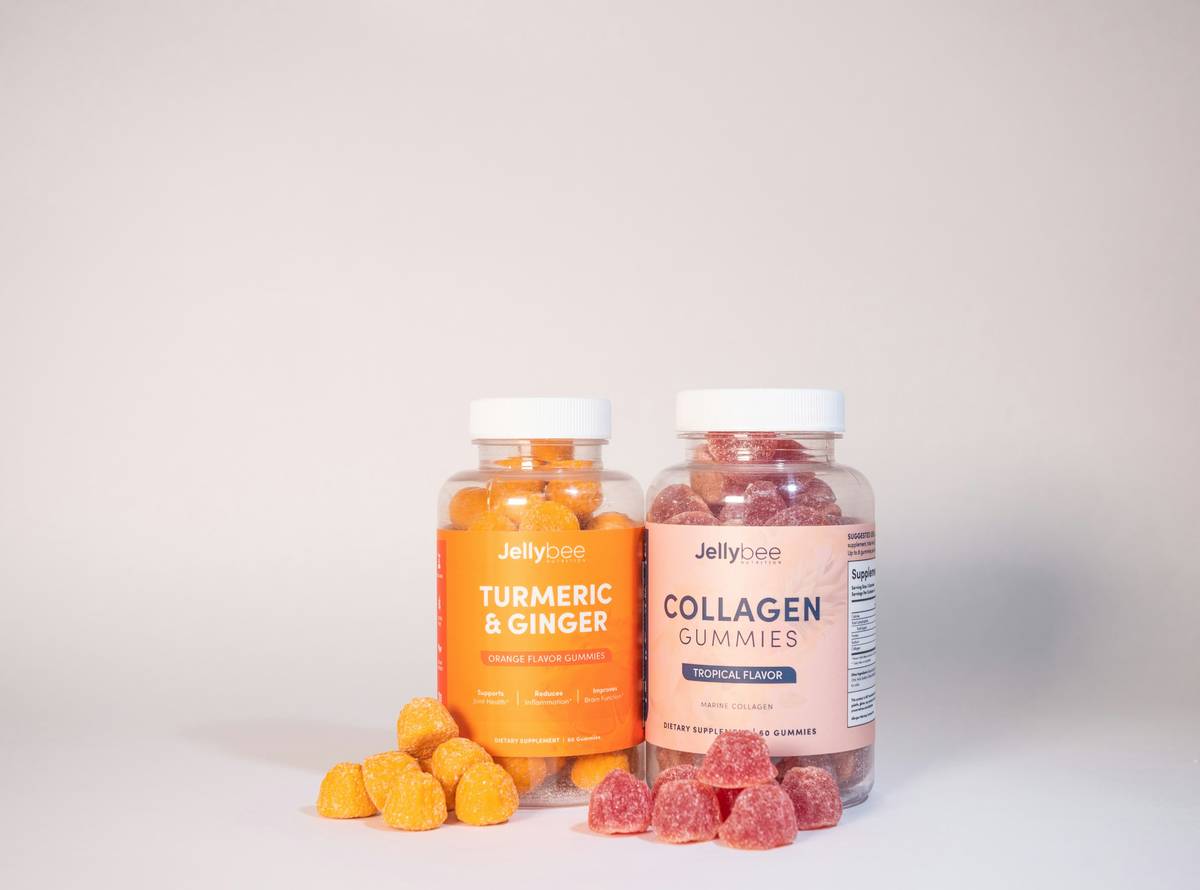
Rarely. They lack therapeutic doses, use sugar alcohols that upset digestion, and omit critical co-factors like K2 or copper. Save your money.