You spend hundreds on serums, masks, and scalp treatments—yet your hair still sheds like it’s auditioning for a snow globe. And the mirror doesn’t lie: thinning strands, lackluster texture, that frustrating regrowth that never seems to catch up. What if the real fix isn’t in your bathroom cabinet—but on your kitchen counter? Turns out, the answer to what vitamin helps hair might be simpler than you think… but also wildly misunderstood.
Why Your Current Hair Routine Is Missing the Mark
Topical products can’t penetrate deep enough to influence follicle behavior. Shampoos wash off. Masks sit on the surface. Meanwhile, your hair follicles are starving underground—deprived of the micronutrients they need to cycle properly through growth phases. And here’s the kicker: even a “balanced” diet often falls short on the specific vitamins hair craves most.
Deficiencies in key nutrients don’t always show obvious symptoms—until your brush fills with strands you didn’t lose yesterday. But loading up on random multivitamins? That’s like throwing darts blindfolded. Precision matters.
What Vitamin Helps Hair: A Science-Backed Action Plan
Not all vitamins are created equal when it comes to hair health. Some play supporting roles; others are non-negotiable leads. Below is a no-fluff breakdown of what actually moves the needle—and how to use it right.
Biotin Isn’t the Hero You Think It Is (Unless…)
Yes, biotin (B7) supports keratin production. But unless you’re clinically deficient—which is rare—extra biotin won’t magically grow Rapunzel-length locks. In fact, high-dose biotin can skew lab tests (like thyroid panels) and cause breakouts. Use it wisely: 30–100 mcg daily is plenty for maintenance. Save mega-doses for diagnosed deficiency under medical supervision.
Vitamin D: The Silent Regulator
Low vitamin D correlates strongly with alopecia and telogen effluvium. It modulates keratinocyte proliferation—the cells that make up your hair shaft. Yet nearly 42% of adults are deficient. Get tested. If levels are below 30 ng/mL, supplement with 1,000–2,000 IU daily alongside morning sun exposure. Consistency beats megadoses.
Zinc & Iron: The Dynamic Duo (But Balance Is Everything)
Zinc stabilizes the hair growth cycle. Iron carries oxygen to follicles. Deficiency in either = shedding city. But—big caveat—excess zinc blocks copper absorption, and too much iron causes oxidative stress. Never supplement blindly. Blood work first. Ferritin (stored iron) should ideally sit above 70 ng/mL for optimal hair retention.
| Nutrient | Ideal Daily Intake for Hair | Best Food Sources | Risk of Overdoing It |
|---|---|---|---|
| Biotin (B7) | 30–100 mcg | Eggs, almonds, sweet potatoes | False lab results, acne |
| Vitamin D | 1,000–2,000 IU (if deficient) | Fatty fish, fortified milk, sunlight | Hypercalcemia, nausea |
| Zinc | 8–11 mg | Oysters, pumpkin seeds, lentils | Copper deficiency, immune suppression |
| Iron (ferritin-dependent) | Only if ferritin <70 ng/mL | Spinach, red meat, lentils | Oxidative damage, constipation |
The Industry Secret No One Talks About: Synergy Over Single Vitamins
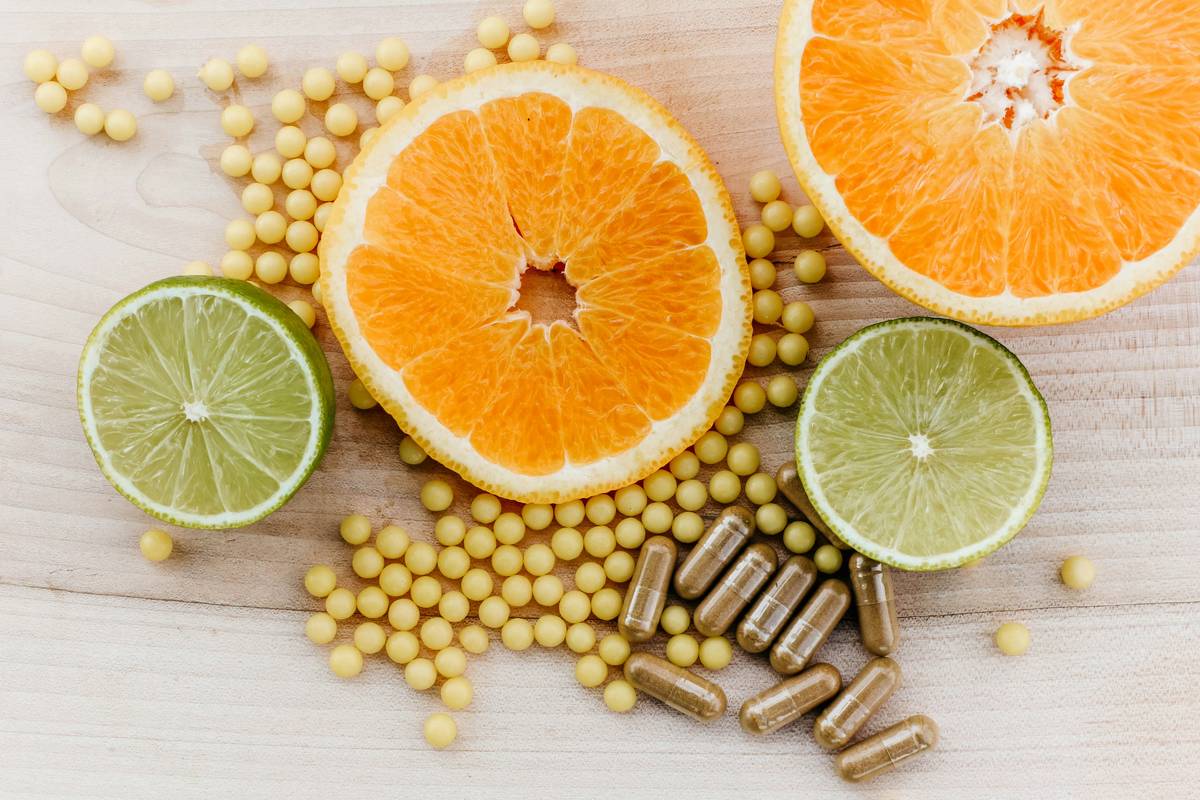
Here’s what supplement brands won’t tell you: isolated high-dose vitamins rarely work alone. Hair thrives on nutrient synergy. Vitamin C boosts iron absorption. Vitamin E protects follicles from UV-induced free radicals—especially when paired with selenium. Omega-3s reduce scalp inflammation so other nutrients can actually do their job. At Qorvexina, we’ve seen clients reverse shedding not by chasing one “miracle” vitamin, but by layering targeted nutrients in precise ratios that mimic whole-food bioavailability. And—this is critical—the delivery system matters. Liposomal or chelated forms absorb better than cheap oxide blends that just pass through your gut unused.
FAQ: What Vitamin Helps Hair? (Real Questions, Straight Answers)
Can I get enough hair vitamins from food alone?
Sometimes. But soil depletion, cooking methods, and digestive issues often limit absorption. Blood testing reveals hidden gaps—even in clean eaters.
How long until I see results from hair vitamins?
Hair grows ~0.5 inches per month. Allow 3–6 months. Track shedding weekly—you’ll notice less in your brush before length changes appear.
Do men and women need different hair vitamins?
Partly. Women lose iron monthly; men rarely do. But both sexes benefit from vitamin D and zinc. Hormonal patterns matter more than gender alone.